Foundation crack repair in Barrie
Many Barrie basements leak through a single crack in a poured concrete wall. Professional interior injection can seal that path without excavating the yard—when the crack is the real problem and the wall is otherwise sound. This page covers polyurethane vs epoxy, when injection is enough, when window wells fool you, what drives the quote, and structural red flags.
Polyurethane vs epoxy
For active leaks, polyurethane injection that expands with moisture is the usual waterproofing choice. It remains somewhat flexible. Epoxy is for structural bonding of dry cracks; it is stiff and not the default for wet seepage. Hydraulic cement patches are widely described as temporary under real hydrostatic pressure.
Interior injection vs exterior dig
Interior injection is faster and cheaper for isolated poured-wall leaks. Exterior excavation and membrane address the wet face of the wall and failed exterior drainage but cost more and disturb landscaping. If the foundation keeps moving, either seal can reopen until structural movement is addressed.
Block walls are different
Polyurethane injection is for poured concrete. Block and stone foundations move water through cores and mortar joints; membrane and drainage approaches are usually more appropriate than a single crack injection.
Could it be a window well?
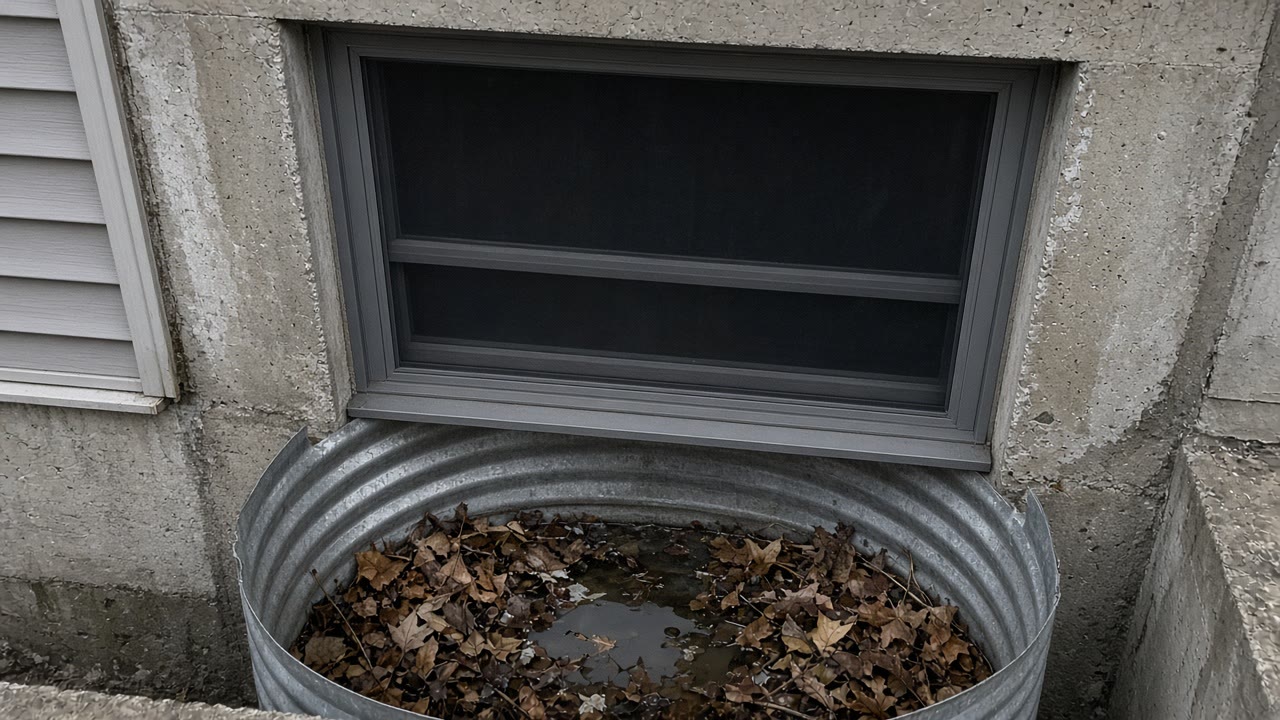
Barrie homeowners frequently chase “foundation cracks” that are actually window-well failures: clay instead of clear stone, missing drain caps, pipes buried under hardpan, and downspouts emptying beside the well. Dig out the well, restore stone and a capped drain to the weeping tile, and extend downspouts before you assume injection.
Cost bands (market, not ours)
Simple single-crack injection is usually a smaller scope than drainage or exterior digs. Multiple cracks, tight access, and carbon-fibre reinforcement change the number. Ask for a written estimate for your property.
After injection: still fix grading
Sealing a crack does not stop meltwater from loading the wall. Extend downspouts, restore positive grade, and keep wells clear. Watch the repair through a full Barrie spring—the real test is freeze-thaw and the first heavy rain after melt.

Structural red flags
- Horizontal or stepped cracks
- Cracks that keep widening
- Bowing or leaning walls
- Multiple new cracks in a pattern
Those signs need structural assessment—possibly an engineer—not sealant marketing. Vertical shrinkage cracks in new poured walls can be normal; context matters.
Reading a Barrie crack in context
Concrete shrinks as it cures. Vertical hairline cracks in poured walls are common and not automatically structural. What matters is whether the crack leaks, whether it is growing, and whether the pattern suggests movement. A leaking vertical crack after rain is a waterproofing problem. A horizontal crack with displacement is a structural conversation that may need an engineer before anyone talks about injection foam.
Spring melt is the honesty test. A repair that looks perfect in August can weep again in March if resin did not travel the full crack or if movement reopened the path. Keep dated photos before and after. If you are in a new home with warranty coverage through provincial new-home programs, document everything and follow the warranty process in parallel with any repair.
What a proper injection visit looks like
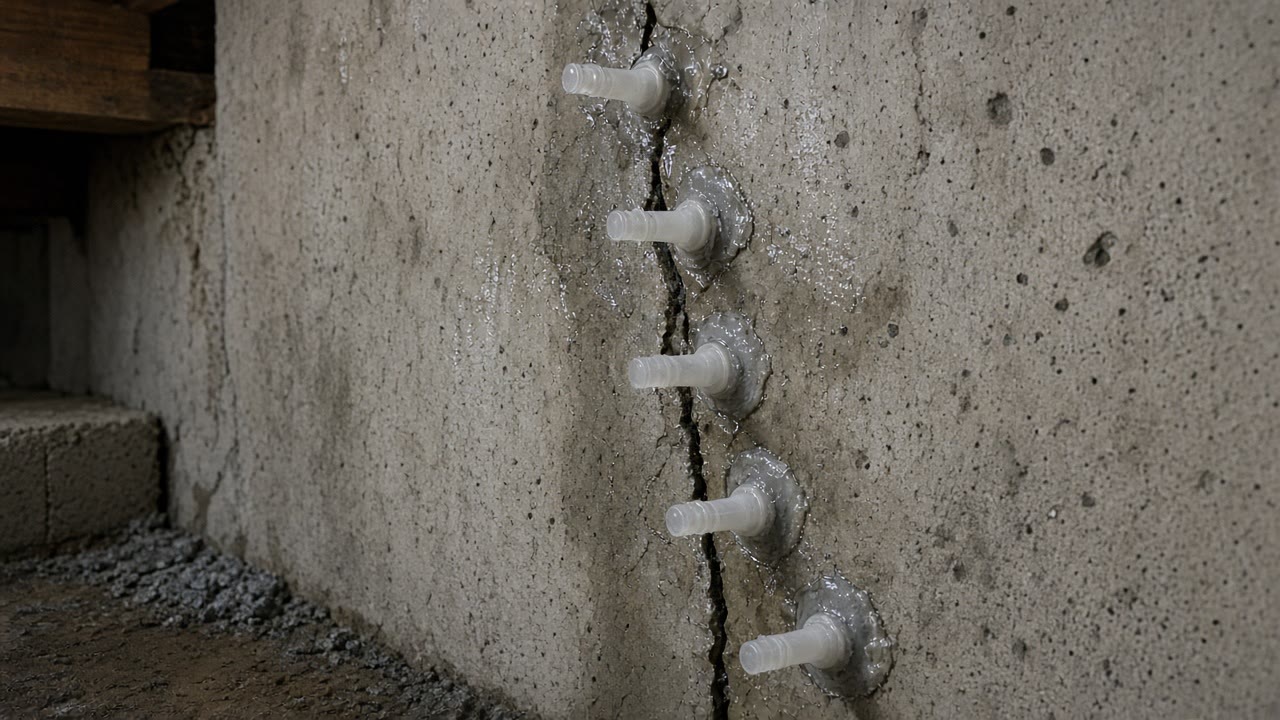
Ports are drilled to intersect the crack. Resin is injected under pressure until it shows along the crack face. Excess foam at the surface is often evidence of travel, not a mistake—contractors shave it flush after cure. Ask what material they use, whether the crack was actively leaking during injection, and what happens if a weep returns within the warranty period.
DIY tubes and surface sealers rarely match professional injection under hydrostatic pressure. Hydraulic cement can stop a drip for a while and then fail. If you already tried a patch, tell the injector; leftover materials can complicate prep.
Inspection findings and real estate timing
Buyers in Ontario frequently negotiate credits for basement moisture. Sellers ask whether to inject before listing. A sealed crack with documentation can calm a deal; an undisclosed seasonal leak can unwind one. Neither path replaces disclosure duties—get advice from your real estate professional on what must be disclosed. From a technical standpoint, fixing a known active leak before finishing or staging a basement is usually wiser than painting over stains.
Window wells deserve a dedicated look during any crack inspection in Barrie. Freeze-thaw loosens frames; clay fill blocks drains; uncapped pipes silt shut. Spending on injection while a well dumps water against the same wall wastes money. A simple drain cap and clear stone have solved more than one “foundation emergency” described on local forums.
When crack repair is not enough
Multiple entry points, chronic cove seepage, and saturated block walls point beyond a single injection. Interior drainage, exterior membrane, or both may be required. Carbon-fibre straps and structural repairs belong to a different scope when walls bow. Be wary of any pitch that treats every wet basement as “just one crack” or, equally, every hairline as a full exterior dig.
Aftercare is simple and often skipped: keep water off the wall with grade and downspouts, watch the repair through melt, and call early if staining returns. See also: interior waterproofing, exterior waterproofing, and sump systems.
Questions to bring to every crack quote
- Is this poured concrete or block?
- Polyurethane or epoxy—and why for this crack?
- Are window wells and grading contributing?
- What warranty applies, and does it transfer?
- What is excluded if the wall moves later?
Bring a short timeline of when the leak appears—only during melt, only after thunderstorms, or constantly. That pattern guides whether injection, drainage, or both belong in the plan for your Barrie home.
Polyurethane travel and what “success” looks like
When resin foams out along the crack face, it usually means the material moved through the void rather than pooling in one drill hole. Contractors trim the excess after cure. You should still receive a plain-language explanation of coverage: full-height crack, partial, or multiple ports. Ask for before-and-after photos as part of the job record—especially if you may sell within a few years.
Not every weep means failure. A second unrelated crack can open nearby. Condensation can mimic seepage on cold walls. Distinguish by wiping the area dry and watching whether liquid returns from the crack line specifically during wet weather. If you are unsure, a return visit beats guessing with more sealant.
Pairing crack repair with drainage when needed
Injection seals a path. It does not lower the water table. If cove seepage continues after a successful crack injection, the next conversation is interior drain tile or exterior drainage—not a thicker layer of the same resin. Honest contractors separate those scopes. Be cautious of any package that insists every wet basement is “just cracks” or, conversely, that every crack requires a full-perimeter dig.
Carbon-fibre reinforcement and wall anchors address structural movement. They are not waterproofing products even when sold by the same trade family. If bowing or stepped cracking is present, pause cosmetic sealing until structure is evaluated.
Documentation for insurance and resale
Keep the invoice, material name, warranty certificate, and dated photos. If a home inspector later flags staining, your packet shows what was done and when. If a transferable warranty needs registration within a deadline after closing, put that date on your moving checklist—homeowners elsewhere have lost coverage over paperwork timing alone.
Ask for warranty length, transfer rules, and exclusions in writing with your estimate.
A practical order of operations
Confirm the leak path. Rule out window wells and downspouts. Decide whether the crack is poured-wall seepage or a structural pattern. Inject when appropriate. Re-check through Barrie spring melt. Add drainage only if water still arrives by another path. That order prevents paying for three solutions when one careful diagnosis would have been enough.
If you only remember one line from this page: seal the right crack with the right material after you prove the water is not coming from a well, a downspout, or a structural failure that needs a different trade.
Foundation crack repair FAQs
Epoxy or polyurethane for a leaking foundation crack?
For active leaks in poured concrete, polyurethane injection that expands with moisture is the usual waterproofing choice; epoxy is for structural bonding of dry cracks.
Interior injection vs excavating and sealing from outside?
Both can work. Interior polyurethane injection is faster and cheaper for isolated poured-wall leaks; exterior membrane addresses the wet face of the wall but costs more. Movement that reopens the crack defeats either seal until structure is stabilized.
Is hydraulic cement / DIY patch enough?
Hydraulic cement is widely described as a temporary, low-pressure patch that often fails; injection is the longer-term crack seal when the wall is otherwise sound.
Foam coming back out of the crack after injection — is that bad?
Excess polyurethane foam at the face often means resin travelled the crack; it can be trimmed after cure. Ask the contractor what success looks like and keep dated photos.
Will injection work on a block / cinderblock wall?
Commenters note polyurethane injection is for poured concrete; block walls often need membrane or drainage approaches because water moves through cores and mortar.
Should I repair a hairline crack before selling?
Not always mandatory, but buyers and inspectors flag moisture. Vertical shrinkage cracks in poured walls are common; widening, horizontal, or patterned cracks need structural review.
How much does crack injection cost?
Price varies with crack length and count, access, whether the wall is poured or block, and whether injection alone is enough or drainage is also needed. Compare itemized scopes and ask for a written estimate for your property.
Could my Barrie leak be a window well, not a crack?
Yes — clogged window-well drains, clay fill, missing drain caps, and downspouts beside wells are frequent Barrie failure modes. Diagnose before assuming injection.
Do I still need to fix grading after injection?
Yes. Injection seals a path; water still loads the wall if downspouts and grade dump meltwater into the backfill.
When is a crack a structural problem, not just a leak?
Red flags include horizontal or step cracks, continuing widening, bowing walls, and multiple new cracks in a pattern. Those need structural assessment — possibly an engineer — not sealant alone.